Get Found
When an Agent Picks the Pantry Staple, Your Feed Is the Pitch
For a replenishment product, the hero shot does nothing. An agent reads your data and picks. Make the record machine-legible or lose the slot.

When a shopping agent restocks somebody's pantry, it never sees your packaging. It doesn't look at the lifestyle photo or the founder story or the way the label sits on a marble counter. It reads your data, compares you to the other options, and picks. You're one of the three it hands back, or you're not in the conversation at all.
For a low-consideration replenishment item, that's a bigger deal than it sounds. Nobody agonizes over which olive oil to reorder. That decision was always going to get automated first, because it's the one people are happiest to stop making. Once it's automated, the thing you spent your budget on never gets looked at.
The decision is moving, and it's moving fast in your category
The behavior is already showing up in the numbers. Forty percent of shoppers expect to use AI to compare products by 2030, and a third say they'd hand the purchase decision over entirely (FoodNavigator, via our verticals brief). For a category built on repeat orders, "compare and decide for me" is most of the job.
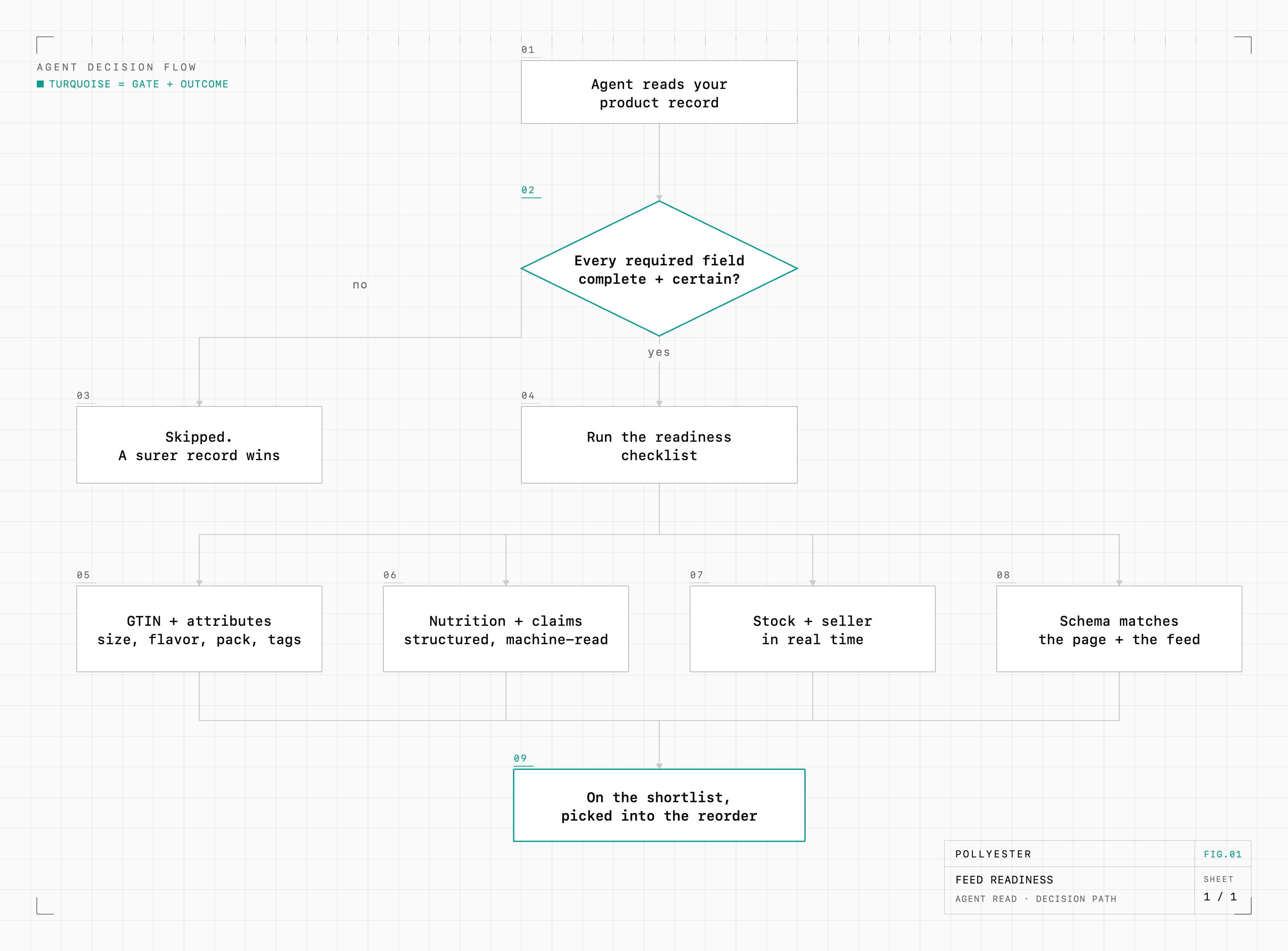
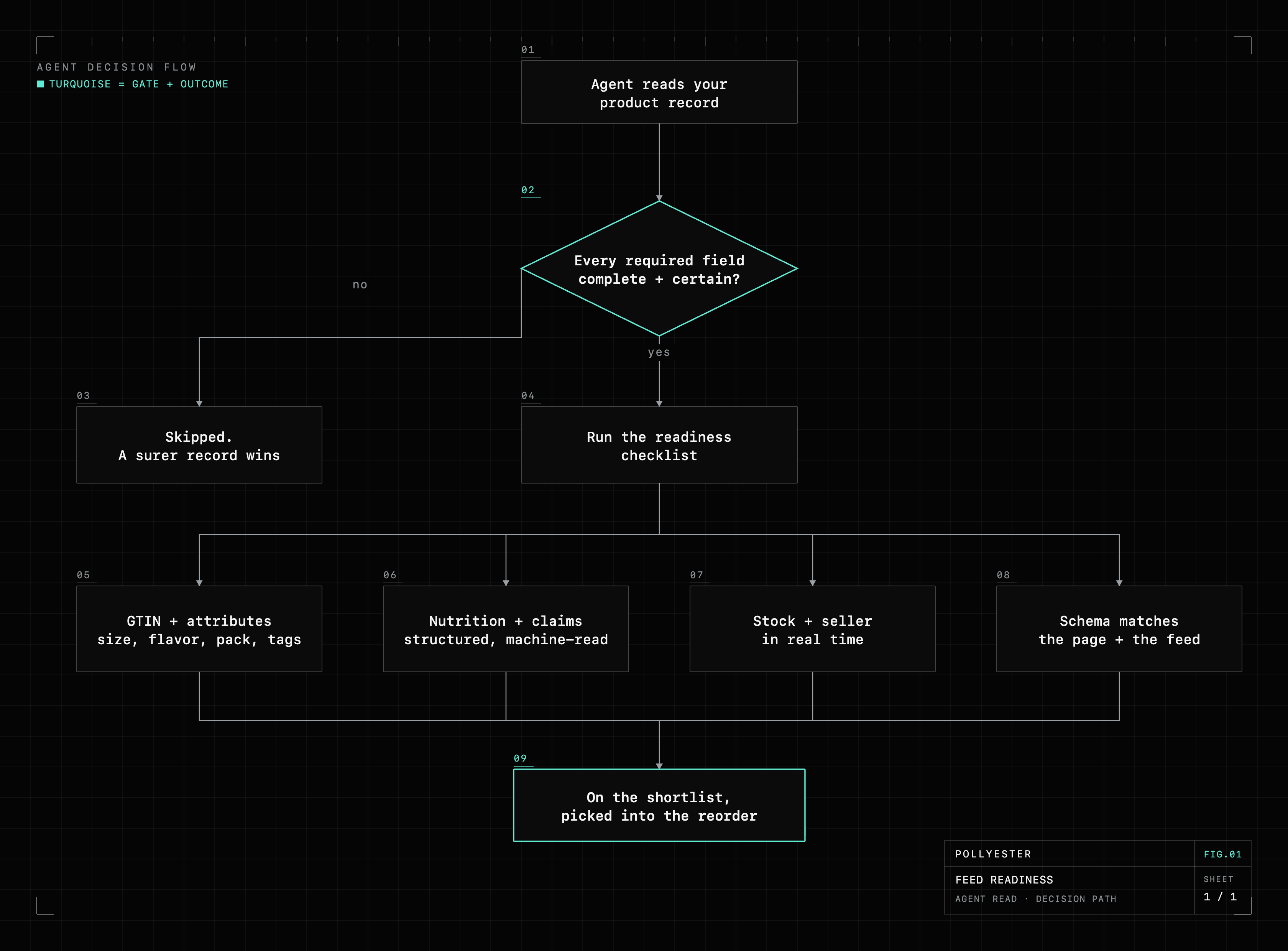
Here's the part that should get your attention. When an agent builds that shortlist, it doesn't guess. It reads structured fields and rewards the products it can be certain about. If a required attribute is missing, the model moves on to a product where the answer is right there, and you're out of the running before the pick even happens.
So the question stops being "is our packaging working" and becomes "can a machine read our product, trust it, and act on it without a person in the loop." That's a data question, and most brands in food and beverage have never had to answer it.
Once it's automated, the thing you spent your budget on never gets looked at.
The work is boring, which is exactly why the slot is winnable
None of what follows is clever. It's plumbing. You make the record complete, correct, and current, and you keep it that way. That's the whole play.
The reason it's worth doing is that most brands won't. Cleaning up a product feed doesn't demo well and nobody gets promoted for it, so it sits at the bottom of the list behind the next campaign. That's your opening. Language models prefer certainty over inference (Marpipe), which means a plain, complete, accurate feed beats better copy every time. You win this on whether your data is finished, not on your creative.
Let me walk through what "finished" means for a pantry staple.
Give every product a real identity
Start with the GTIN, the barcode number that uniquely identifies the item. It's how the agent knows your 16-ounce bottle is that exact bottle and not a similar one from someone else. Then fill in the attributes that matter for how people actually search in your category: size, count, flavor, pack quantity, dietary tags. If a shopper's standing rule is "reorder the unsweetened, unflavored one," and your feed doesn't cleanly say which of your products is unsweetened and unflavored, you can't be matched to that rule.
Make the nutrition and the claims machine-readable
In food and beverage, the claims are the product. Gluten-free, non-GMO, no added sugar, organic, keto, whatever your shelf lives on. If those live only inside a photo of the label or a paragraph of marketing copy, an agent can't reliably act on them. Put the nutrition facts and the certifications into structured fields that a machine can read directly, so "find me a gluten-free version" returns you instead of skipping you. This is also where accuracy stops being optional. A claim in your data that doesn't match the label is a compliance problem before it's a ranking problem.
Language models prefer certainty over inference, which means a plain, complete, accurate feed beats better copy every time.
Tell the truth about stock, in real time
Availability is a ranking input now, not just an operations detail. When an assistant is choosing between two brands selling the same thing, it weighs whether the item is in stock and whether you're the primary seller of record (OpenAI).


A feed that says "available" when you're out, or lags a day behind your real inventory, gets you flagged as unreliable and quietly dropped. Real-time and truthful beats optimistic. The agent is restocking a pantry on a schedule, and it will pick the product it's confident it can actually get.
Keep the schema and the page saying the same thing
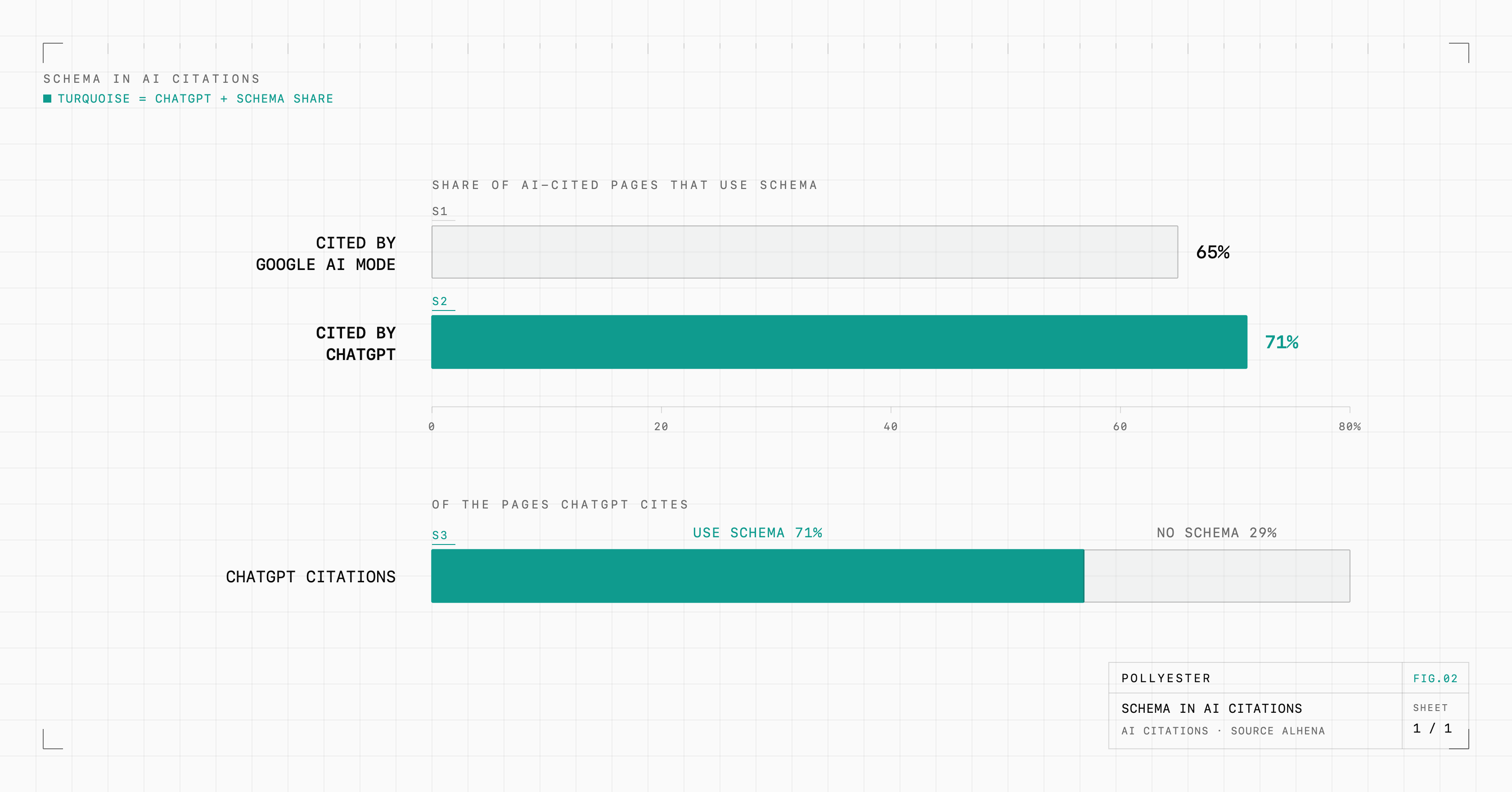
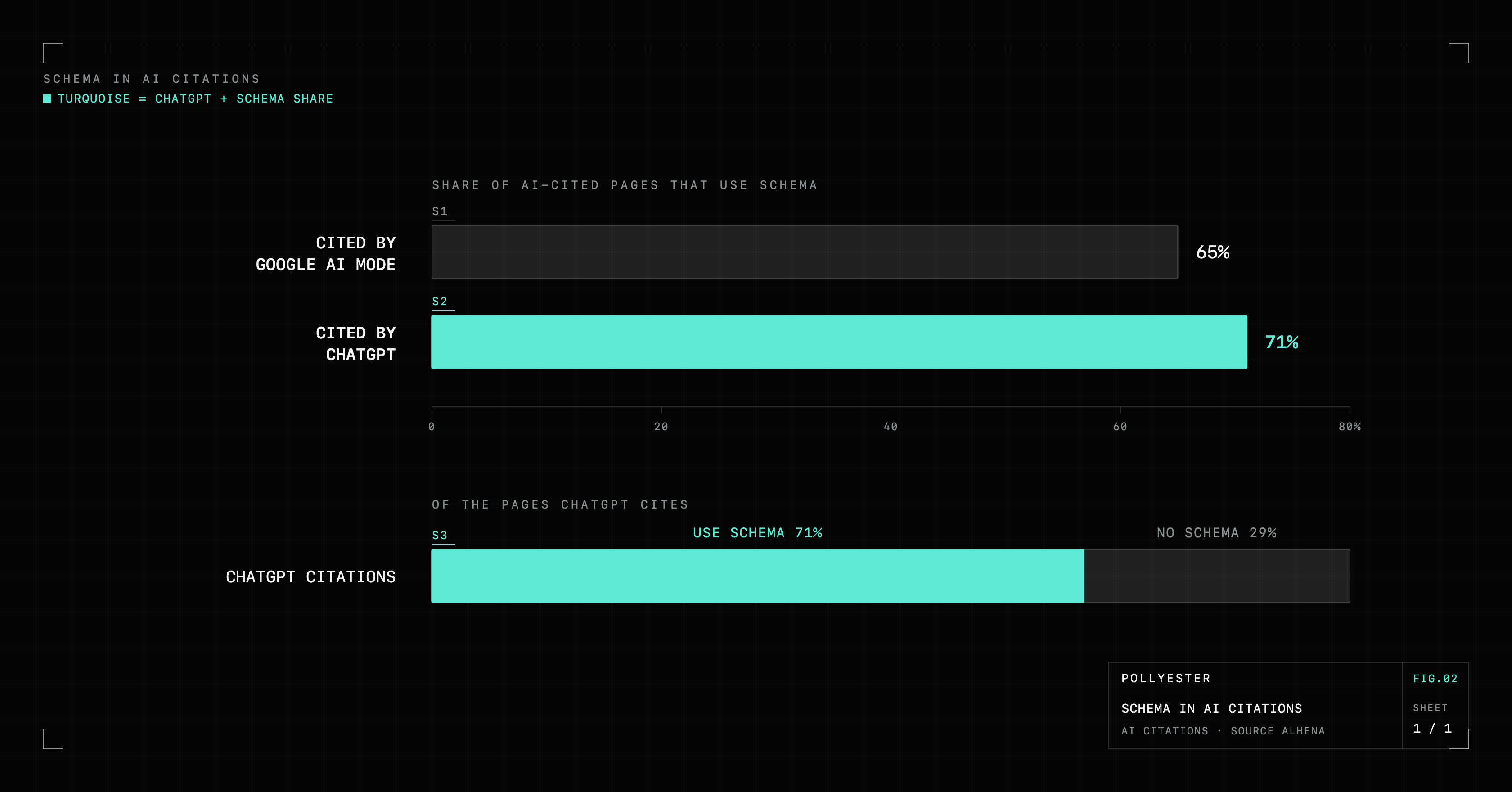
Schema is the structured markup on your page that spells out, in a format machines read, what the product is and what it costs. It carries real weight: 65 percent of pages cited by Google's AI Mode and 71 percent cited by ChatGPT use schema (Alhena). But generic markup with empty fields does nothing. The price and availability in your schema have to match what's on the page and what's in your feed. When those three disagree, the agent reads you as unreliable and drops you.
The refresh is the part everyone forgets
A feed is not a project you finish. Recently refreshed records tend to get picked up more than stale ones. Prices change, flavors sell out, claims get recertified, and if the record drifts from reality you slide back toward invisible. Assign it to someone and put it on a cadence.
Why this pays even before the agents show up
Here's the argument for doing it now rather than waiting for the traffic. The exact same clean, complete feed that gets you onto an agent's shortlist is the feed Google Shopping and Amazon already reward. You're not building a second system for some future channel. You're fixing the one you already run, and it pays off today in the channels you already have.
And the cost of leaving it broken is measurable. Forty-two percent of shoppers already abandon a purchase over insufficient product information (Mirakl, via MetaRouter). That's true whether the shopper is a person or an agent acting for one. Poor data quality costs the average business around 15 million dollars a year (Mirakl, via MetaRouter). You are almost certainly paying some version of that bill right now, in returns, in lost carts, in ad spend pushing traffic to records that don't convert.
The math on the upside is simple arithmetic, no invented case study required. Say your category resolves to a three-item shortlist, and you're one of forty products with a legitimate claim to it. Complete, accurate data won't guarantee you a slot, but leaving it incomplete guarantees you're cut before the pick even happens. For a product people reorder on a schedule, winning that slot once tends to win it again, because the household's standing rule keeps pointing back to the choice the agent already made.
Fix the record before the traffic, not after
Replenishment is the moat in this category. People don't switch pantry staples on a whim, so the brand that gets picked into the reorder tends to stay picked. Structured data is how you defend that moat in a world where the picking is done by a machine.
The nice thing about this work is that it doesn't require you to bet on which assistant wins, or whether in-chat checkout sticks around, or any of the parts that are still unstable. You clean your product record and it works across every surface that reads it. Do it before the traffic arrives. The brands that win the agent aren't the ones who bought the best AI tool. They're the ones whose data was already good enough to be chosen.