Pick, Pack & Ship
The $76.5B Return-Fraud Problem AI Is Now Faking
The same technology being sold to grow your beauty brand is now faking damage photos to drain it. Returns just became a fraud-defense problem, and your generous refund policy is the way in.
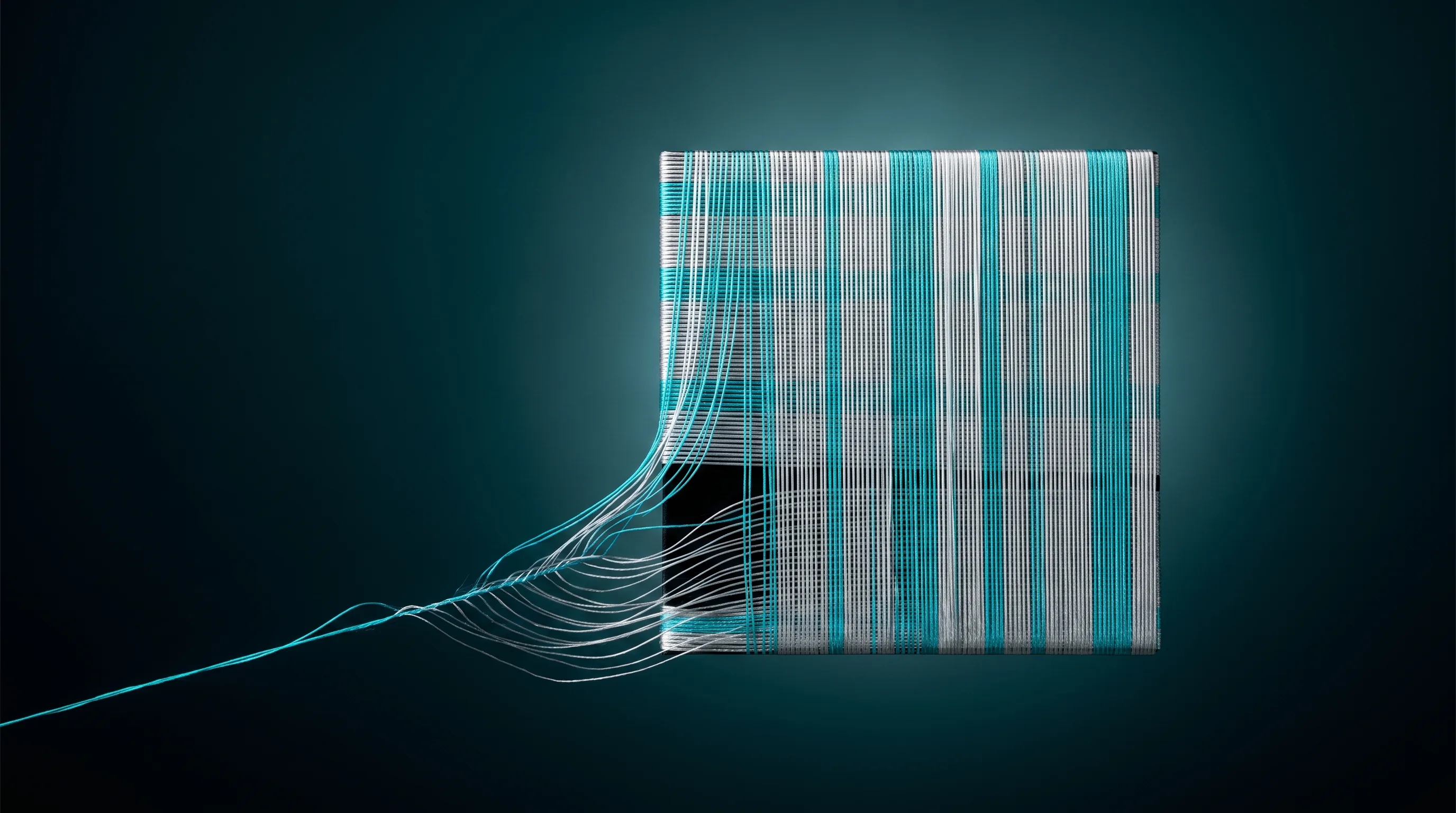
A customer emails you a photo of a shattered palette, powder everywhere, cracked pan. You refund it in thirty seconds with no return label, because that's how you keep her and keep the review section clean. The problem is the palette was never broken. An AI tool generated the photo, and the customer may not be a customer at all.
This is happening now, at scale. People are using generative AI to fake product-damage photos and trigger refunds, and the fakes are good enough that a support agent moving fast can't tell them from the real ones. Return fraud drained $76.5B from US retail in 2025, and faked photos are a growing part of it (Fox News, PYMNTS). Roughly one in ten returns is already fraudulent (Forbes). Beauty is one of the softest targets there is.
Why the door is open in beauty
The thing that makes beauty returns work is the same thing being exploited. You can't resell an opened serum or a swatched lipstick, so making the customer ship it back is pointless. The smart move became the returnless refund: keep the item, here's your money back, come buy again. That's good retention math, and it's cheap to run when the people using it are honest. It's also an open door. When the deal is send a photo, get a refund, keep the product, that fake photo is the whole cost of the attack. Nothing ships and nothing gets inspected, so nothing in your process slows a bad actor down. The same generosity that protects your best customers is what a fake claim walks straight through.
And it doesn't stay a one-off. Once the method works, it gets run again and again, sometimes against the same brand with slightly altered images. It costs the attacker almost nothing and costs you a real refund every time.
Nothing ships and nothing gets inspected, so nothing in your process slows a bad actor down.
Returns aren't only a cost problem anymore
For years, returns were a recovery question. How much can you salvage on the goods that come back, how fast can you get resalable units back on the shelf. That work still matters.
But a growing share of the refunds you approve have no goods behind them and no honest customer either. That changes the job. Returns are now a fraud-defense problem sitting next to the cost-recovery one, and the refund policy you wrote to protect loyalty is the thing getting probed.
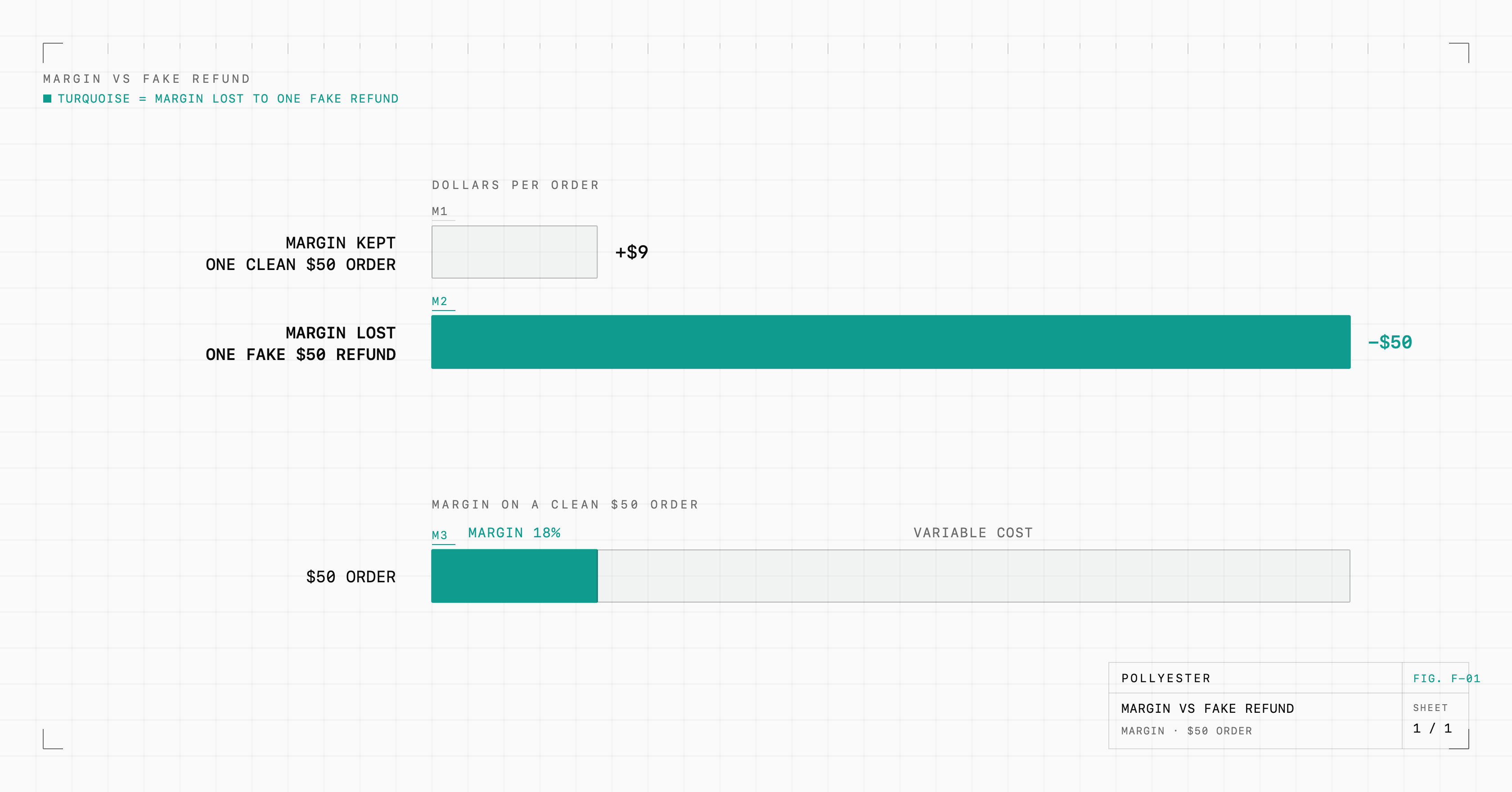
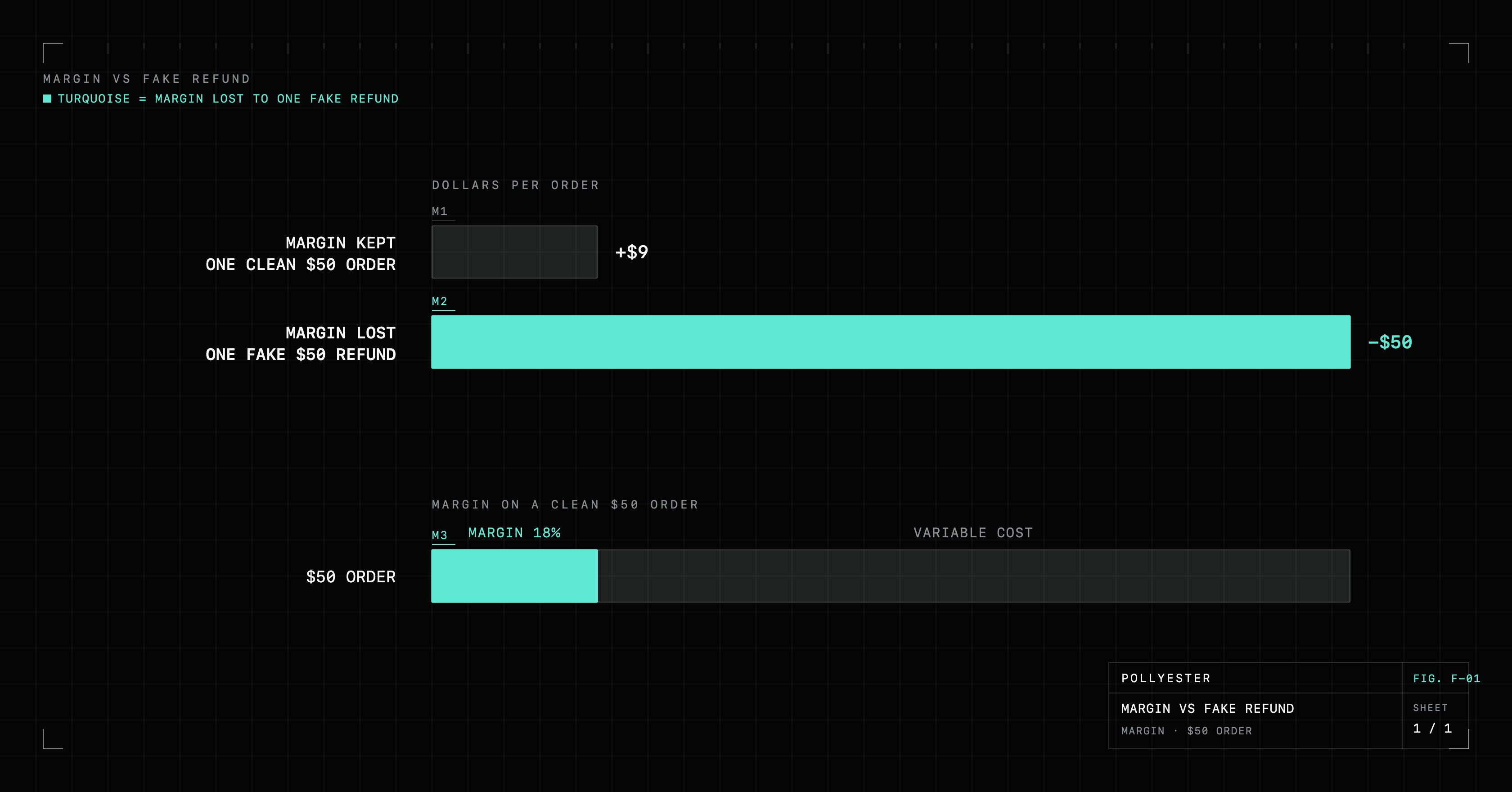
The math is why this lands on a growth-stage brand harder than on a giant. The median DTC brand finishes around 15 to 20% true contribution margin after every variable cost (Luca). Call it 18% on a $50 order, so about $9 of margin you keep. One approved fraudulent $50 refund erases the margin from more than five clean orders. Reverse logistics already eats 8 to 15% of an order before any fraud enters the picture (Saras Analytics). A retailer with billions in sales absorbs that quietly. A brand between $15M and $150M feels it in the number that funds everything else it wants to do.
The wrong fix, then the right one
The instinct is to tighten the policy for everyone. End returnless refunds, demand the product back on every claim, add proof requirements across the board. That does protect the margin. It also taxes the honest customers you spent real acquisition dollars to win, ones who cost you far more to bring in than a single refund, and it kills the retention play that made the lenient policy worth having. You'd be punishing every customer for the small fraction gaming you.
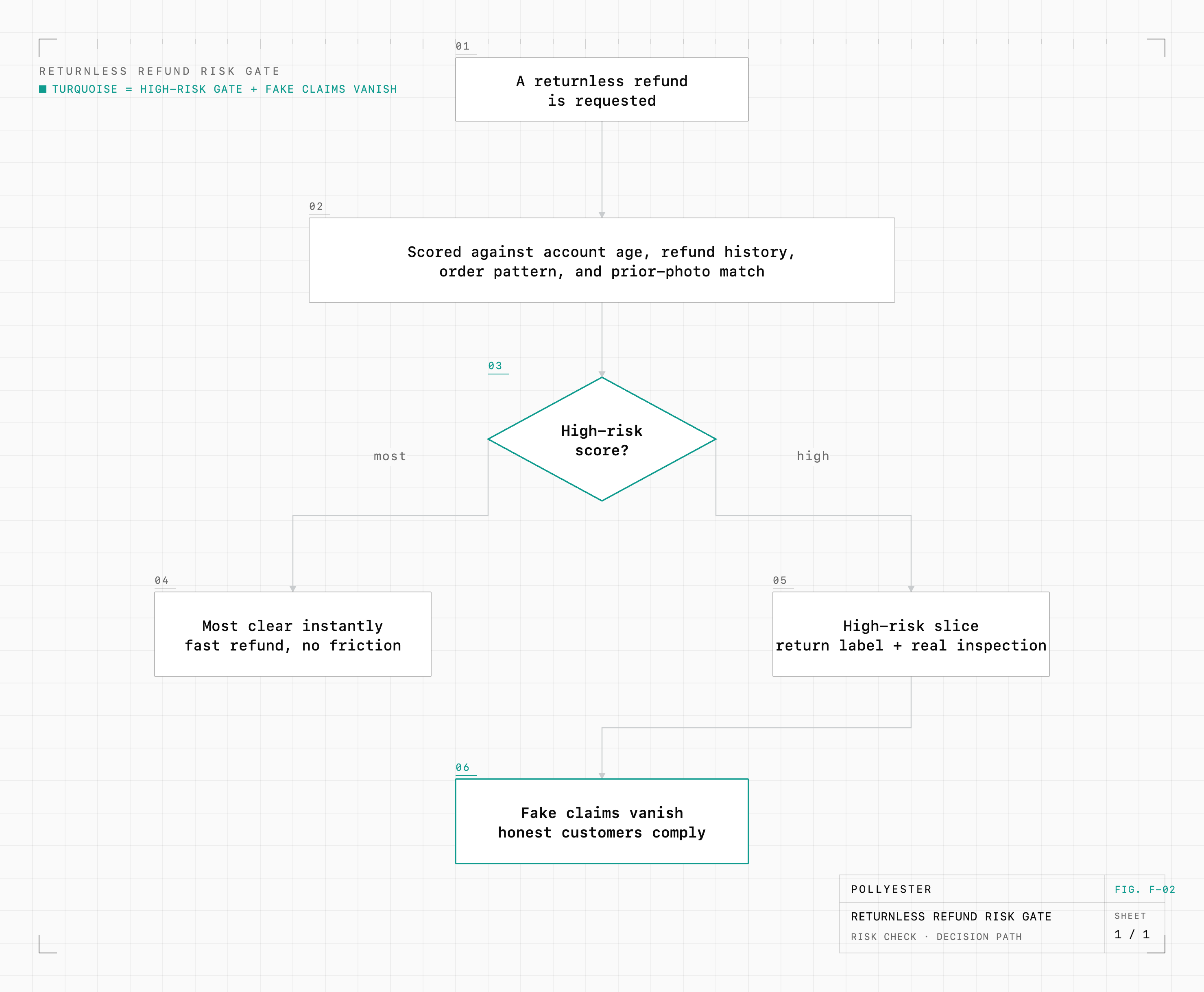
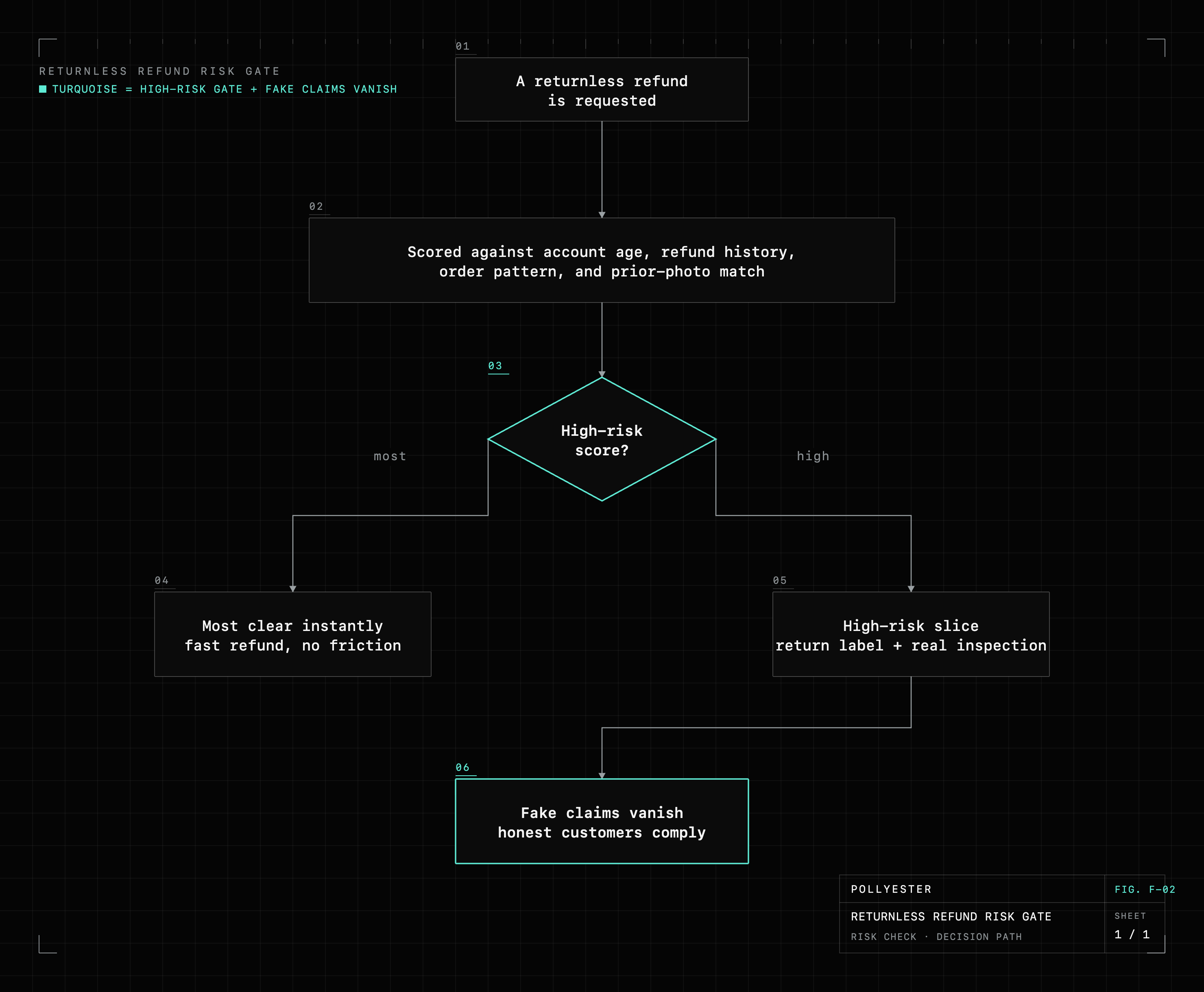
The better move is a quick risk check in front of the generosity, not a wall around it. Before a returnless refund goes through, the request gets checked against what you already know: how old the account is, its refund history, whether the order pattern looks normal, and whether this exact photo, or a close copy, has shown up before, on your own claims or in a fraud database other brands feed into. Most requests come back clean right away and the customer never sees the check happen. The refund lands as fast as it does today, which is the whole point.
The small slice that scores high-risk gets a different path. The check flags a photo that looks AI-generated or lifted from an earlier claim, and those requests get a return label and a real inspection before any refund clears. You're not accusing anyone of anything. You're asking a handful of high-risk requests to do the one thing a fake claim can't: put a real object in a real box and mail it. Honest customers in that slice comply without a thought. The fake claims disappear, because there was never a product to send.
You're asking a handful of high-risk requests to do the one thing a fake claim can't: put a real object in a real box and mail it.
That's the move. Keep the fast, no-questions refund as the default for the customers who earn it, and gate the exceptions with a score so the friction only lands where the risk is.
The same tool that defends the margin runs the honest returns better
Here's the part that makes this worth building. The same software that scores fraud also handles the honest returns faster and turns more of them into revenue.
AI compresses honest return processing from about 14 days to 48 hours, cuts handling costs by more than 20%, and converts over half of returns into exchanges instead of refunds (Kodif), the reverse side of a clean pick, pack and ship operation. That last number is the retention win in plain terms. A customer who bought the wrong shade and gets the right one shipped back is a customer you kept, and the money stays in the business instead of leaving as a refund.
So you get both from one system. The honest returns clear in two days and half of them turn into exchanges, and the fake claims get caught before the cash leaves your account. Brands used to think they had to pick between generous and protected, because the old tools forced that trade. They don't anymore.
Cut the return before it starts
The cheapest fraudulent refund to defend against is the one that never gets requested, and in beauty that traces back a step earlier. The number one reason a beauty return happens is the wrong shade or a match that didn't hold in real light, the beauty analogue to how two-thirds of apparel returns is fit. Shade and skin-match AI on the product page goes after that driver at the source. Fewer wrong-shade orders means fewer returns to process and fewer refund requests to score in the first place. Around 70% of beauty brands now run try-on and matching tools (XJ Beauty), and the returns you never trigger are free to defend.
One thing to hold onto while you build this: the risk model, the rules, and the fraud signals should be yours. Your team should be able to read it, tune it to your own margins, and take it with you if you change vendors. This is your refund policy written as rules a computer runs, and it decides who gets your money. Renting a version of that back from a vendor you can't see into means renting your own margin defense from someone else, the same trap as handing away the orchestration layer that defends margin. Own it.
Keep the generosity. Gate it.
None of this is cynical. The cynical move would be treating every customer like a fraud and killing the policy that made people loyal. This does the reverse. You keep the generosity where it belongs and stop spending it on claims that were never real.
The refund policy was always a bet that most people are honest. That bet still holds. Score the ones who aren't, human or synthetic, ask them for the one thing they can't produce, and let everyone else keep the fast refund that earned their loyalty. Protecting that margin is how you keep affording to be generous.