See what AI sees
Don’t Miss Out On AI Revenue
See who AI recommends.
Then take their spot.
 Pollymetric
Your Position
#1 in Sentiment
Market Share vs. Sentiment
PollymetricAI Traffic
+156%
Regular
-12%
PollymetricThis Month
+28% vs last
AI-Attributed Revenue
AI Referrals
1,523
Avg. Order
$34.40
PollymetricAI Traffic
+156%
Regular
-12%
PollymetricYour Position
#1 in Sentiment
Market Share vs. Sentiment
PollymetricThis Month
+28% vs last
AI-Attributed Revenue
AI Referrals
1,523
Avg. Order
$34.40
As you read this
Right now, a buyer is typing one of these questions.
There's no page two here, and no ad slot to buy your way into. The model answers with two or three names and the buyer moves on, so if yours isn't one of them, the conversation was over before you knew it was happening. Most brands have never had a way to find out where they stand. That's the first thing we fix.
See What AI Sees
Visibility into AI recommendations. Intelligence to act. Progress you can track.
See how AI recommends products in your category.
AI assistants are already answering questions about products like yours. We show you the landscape. Which products get recommended, in what order, and how often.
Pollymetric•Your CategoryAI Recommendations Ranking
Pollymetric•Sources AI TrustsWhere Competitors Appear
Understand why some brands get recommended more than others.
AI pulls from sources it trusts, like review sites, editorial features, and discussions. We show you which sources matter and who's showing up in them.
Find the gaps in your AI presence.
Every brand has strengths AI sees and gaps it doesn't. We analyze your presence against the leaders, so you know exactly where to focus.
Pollymetric•AnalysisWhere You Stand
Pollymetric•For YouTop Recommendations
Get featured on Byrdie
+22 points
Improve Schema.org markup
+8 points
Add expert quotes to product page
+5 points
Get recommendations you can act on.
Not a generic checklist. Based on your specific gaps and what's driving competitors, we surface the highest-impact actions for your situation.
Track your progress over time.
AI perception changes. So should your visibility. We continuously monitor how AI sees you, so you can see what's improving and adjust accordingly.
Pollymetric•Last 8 WeeksYour Score Over Time
Product Deep Dive
Explore every feature
Discover the powerful analytics tools that help you understand and optimize your AI presence.
Search
1
Mental Toughness
MT
Home
Orders
15
Products
Customers
Content
Finances
Analytics
Marketing
Discounts
Sales channels
Online Store
Point of Sale
Shop
Apps
Pollymetric
Brand Performance
Resources
Settings
Settings
Pollymetric
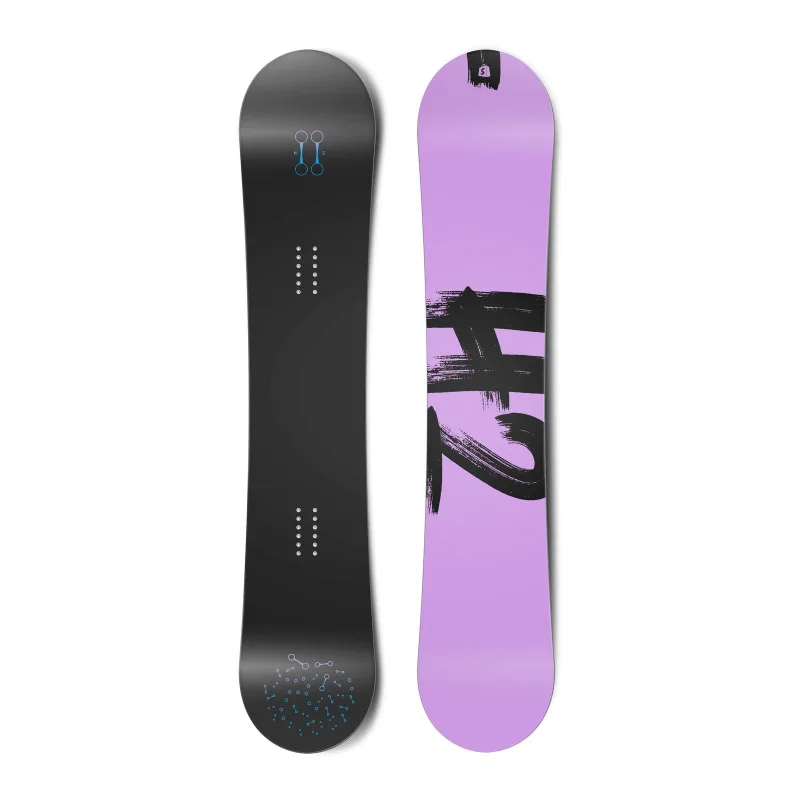
The Collection Snowboard: Hydrogen


Your complete AI visibility dashboard
Everything you need to understand how AI models perceive, recommend, and talk about your products, all in one place. Deep insights, actionable recommendations, and real-time tracking.
Your AI visibility at a glance
A comprehensive score measuring your brand's presence across AI platforms. Track performance across 5 key dimensions. Visibility, Sentiment, Accuracy, Recommendations, and Competitive Position.
Monitor every AI mention
Track when and where AI models mention your products. See citation trends across ChatGPT, Perplexity, Claude, and more. Understand which queries surface your brand.
Connect AI visibility to real traffic
See how AI-driven traffic impacts your store. Track page views from AI referrals, measure conversion rates, and understand which AI platforms drive the most valuable visitors.
Understand what matters to AI
Discover the key factors AI models consider when recommending products in your category. See how you compare to competitors across price, quality, features, and more.
FAQ
Everything you need to know about AI visibility optimization
Still have questions?
Schedule a demo with our team